The most memorable brand activation makes the space part of the story. Creative brand activation ideas for 2026 should do more than look impressive in a social post: they should give guests a reason to participate and support a clear campaign goal. The challenge is bringing a shareable concept, practical production needs, and meaningful ways to measure success together.
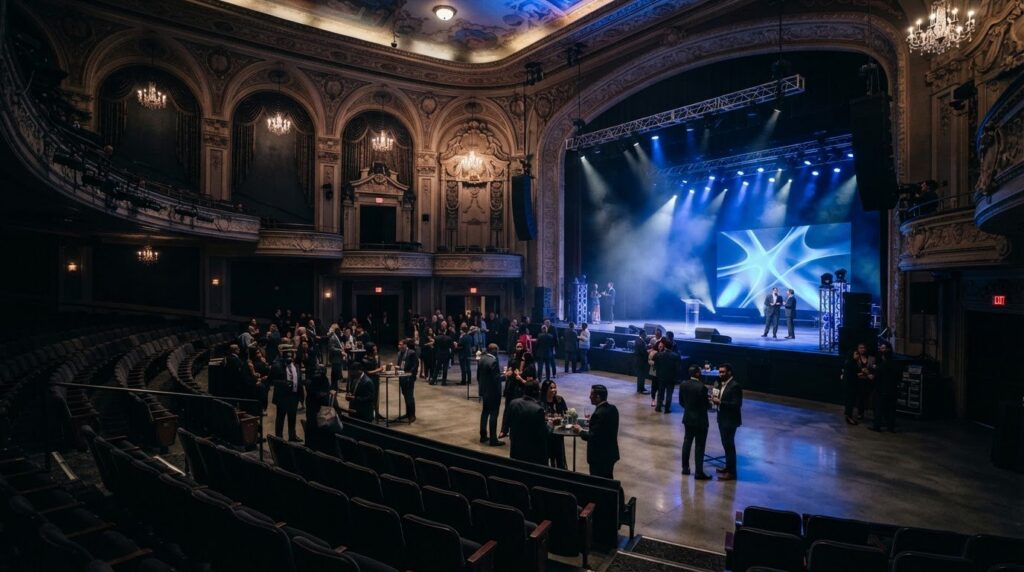
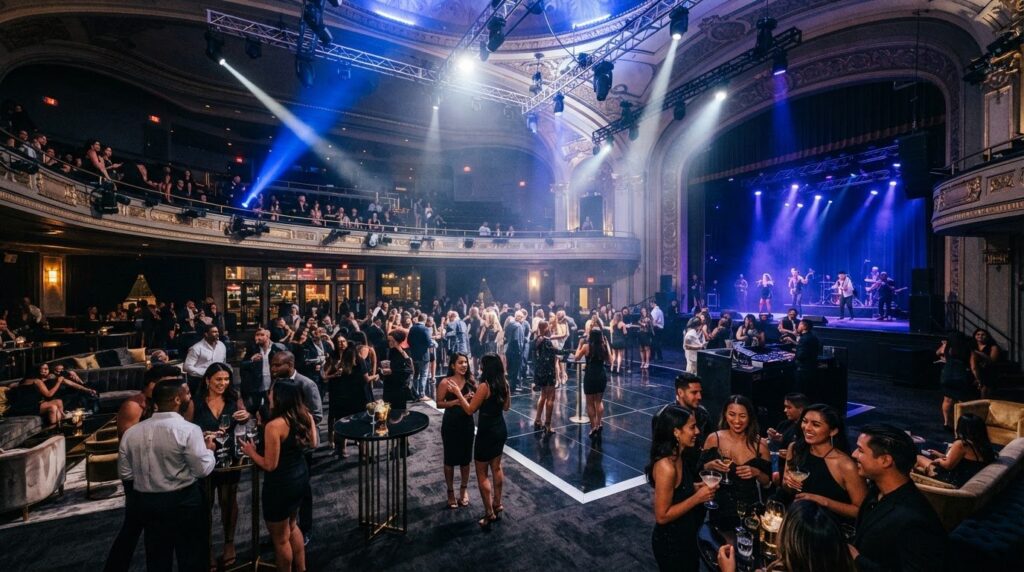
Start with the audience and the action you want them to take, then choose a setting that supports the experience. In Los Angeles, The Vermont Hollywood offers a 13,000-square-foot multipurpose space in a historic cinema that reopened as a venue in 2021. Planners should confirm the layout, production requirements, availability, and event fit directly. Ahead, explore seven adaptable concepts and practical ways to assess whether a venue can support them, with participation and measurement considered from the start.
Key Takeaways
- Choose creative brand activation ideas for 2026 that give guests a meaningful role and support a specific campaign objective.
- Match the experience to the audience, whether the goal is hands-on product discovery or guided brand storytelling.
- Set success measures before production, such as participation, qualified conversations, or opted-in follow-up.
- Assess a Los Angeles venue for atmosphere, guest flow, layout, access, and production needs before committing to the concept.
Creative Brand Activation Ideas for 2026 Start With a Clear Audience Goal
A brand activation is a live experience that invites people to interact meaningfully with a brand, its story, or its offering. As part of broader Marketing activation, it can build engagement while supporting a campaign’s wider aims. A striking set or photo moment may attract attention, but the experience needs a purpose beyond its visual impact. Attention is someone noticing the experience; engagement is someone taking part in it.
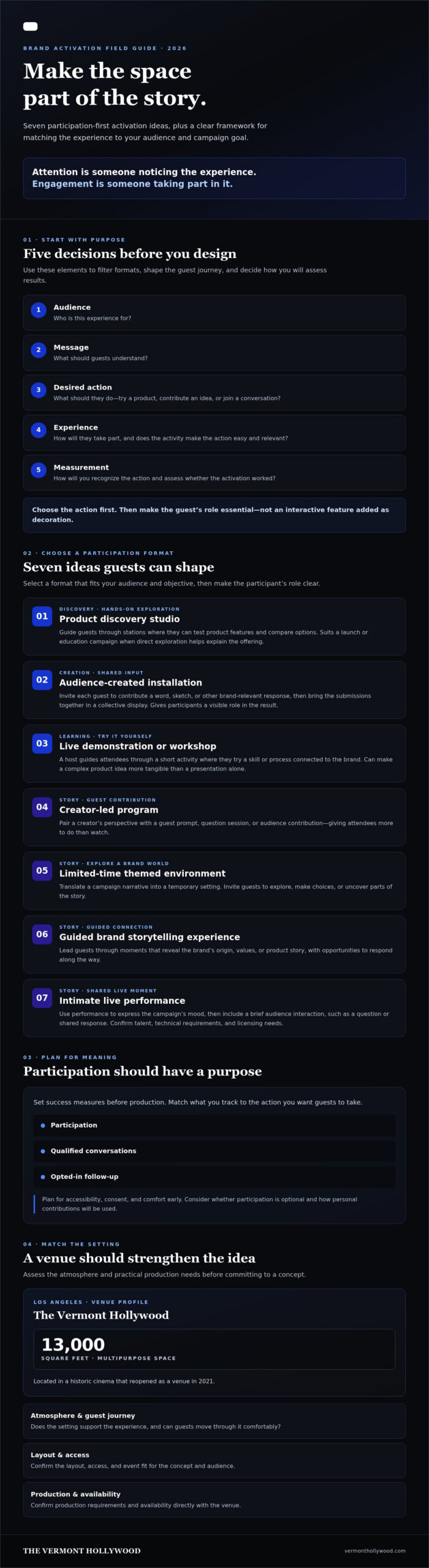
Before exploring creative brand activation ideas for 2026, define five elements: audience (who it’s for), message (what they should understand), desired action (what they should do), experience (how they’ll take part), and measurement (how you’ll recognize the action). Use these as a filter when choosing a format, designing the guest journey, and planning how to assess results.
Choose the experience by audience and campaign objective
Start with the audience’s interests, the brand promise, and the campaign stage. Is the priority discovery, participation, product education, or community? Choose one audience action before brainstorming formats, such as trying a product, contributing an idea, or joining a conversation. Then ask whether each concept makes that action easy and relevant. If not, refine the experience before investing in its visual treatment.
Build a distinctive idea around a real participation moment
Make the guest’s role essential, not an interactive feature added as decoration. A product discovery experience might invite people to test options and share what suits them. A storytelling concept could ask guests to contribute a memory that becomes part of a collective display. Sensory design or shared participation can deepen an experience when they fit the brand. Consider accessibility, consent, and comfort early, including whether participation is optional and how personal contributions will be used.
Seven Creative Brand Activation Ideas That Invite Real Participation
These creative brand activation ideas for 2026 turn a campaign message into an experience guests can shape. Choose a format that suits the audience and objective, then spell out what participants will do. For a strategic foundation, Cornell’s outline on developing your skills in brand activation emphasizes target markets, consumer insights, brand values, and positioning.
Interactive concepts for discovery and creation
These formats suit campaigns that benefit from hands-on exploration, shared input, or learning by doing.
- Product discovery studio: Invite guests to move through guided stations, test product features, and compare options. This can support a launch or education campaign when direct exploration helps explain the offering.
- Audience-created installation: Ask each guest to contribute a word, sketch, or other brand-relevant response, then bring the submissions together in a collective display. This fits community-focused campaigns and gives participants a visible role in the result.
- Live demonstration or workshop: Let attendees try a skill or process connected to the brand, with a host guiding them through a short activity. It can make a complex product idea more tangible than a presentation alone.
Story-led concepts for connection and shareability
Story-driven formats can create a strong atmosphere, but participation should be part of the design rather than an afterthought.
- Creator-led program: Pair a creator’s perspective with a guest prompt, question session, or audience contribution. This suits brands seeking an authentic voice while giving attendees more to do than watch.
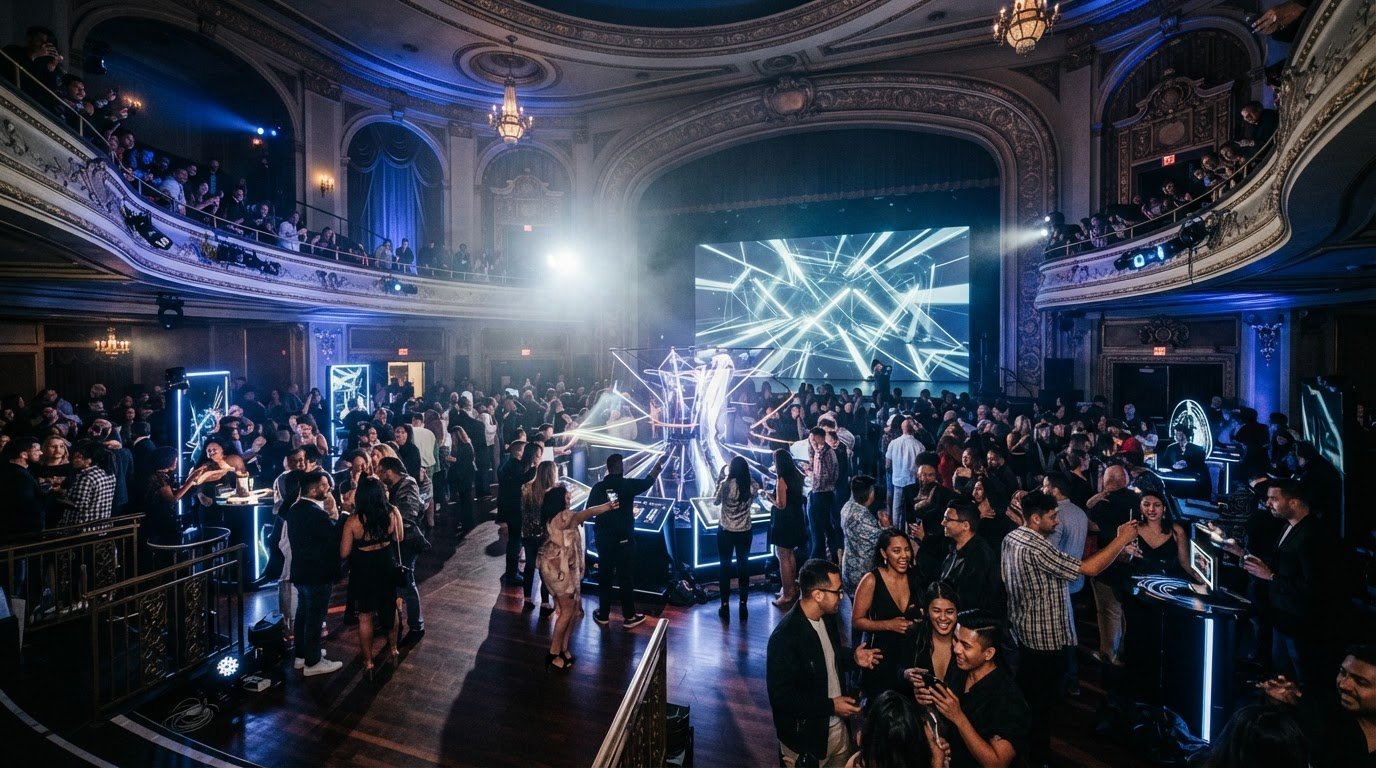
- Limited-time themed environment: Translate a campaign narrative into the details of a temporary setting, then invite guests to explore, make choices, or uncover parts of the story. It can introduce a new brand world or product line.
- Guided brand storytelling experience: Lead guests through a sequence of moments that reveal the brand’s origin, values, or product story, with opportunities to respond along the way. This works when context and emotional connection matter.
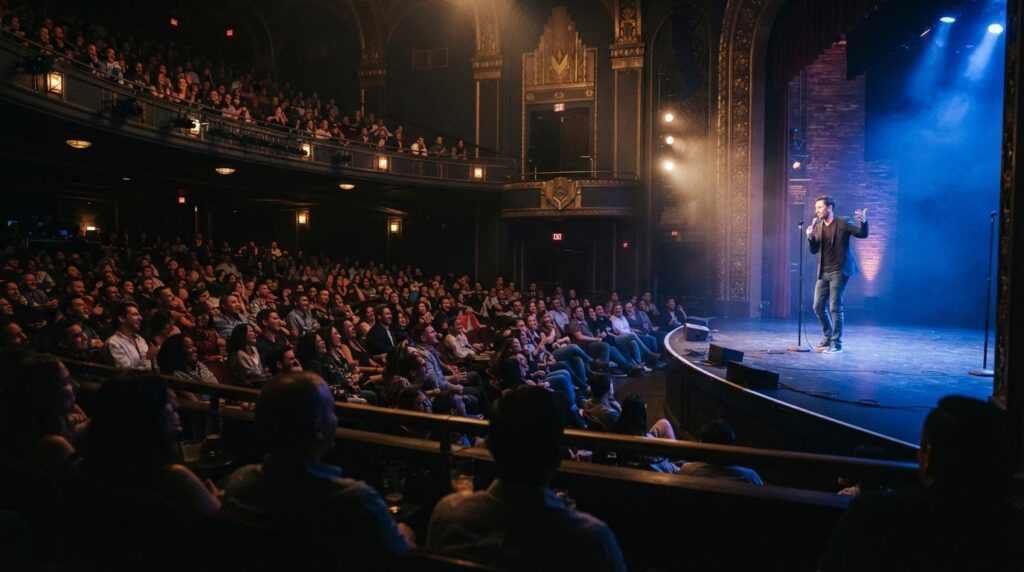
- Intimate live performance: Use a performance to express the campaign’s mood, then include a brief audience interaction, such as a question or shared response. Confirm talent, technical requirements, and licensing needs before choosing this format.
For an activation that depends on a distinctive physical setting, consider The Vermont Hollywood’s brand activation space as one Los Angeles venue option. Discuss the concept and confirm event fit and requirements directly.
Make a 2026 Brand Activation Feasible, Measurable, and Worth Remembering
Even strong creative brand activation ideas for 2026 need a clear route from concept to delivery. Plan feasibility and measurement early so the guest journey, venue requirements, and campaign objective support one another instead of competing for attention.
- 1. Set the objective and audience. Specify who the activation is for and the audience action that matters most.
- 2. Shape the concept and journey. Map how guests discover, participate, and move through the experience. Plan tangible touchpoints—such as custom branded apparel or merchandise from The CEO Creative—and identify staffing needs, accessibility considerations, and permissions for capturing or using attendee content.
- 3. Define success measures. Choose indicators that reflect the intended action, and decide how they’ll be recorded before doors open.
- 4. Assess the venue. Check access, proposed layout, schedule, power, production needs, and any required approvals. Confirm current availability, permitted configurations, and event-specific requirements directly with the venue.
- 5. Align the production team. Verify technical and operational details with the venue and production team, including who is responsible for each requirement.
- 6. Build the run of show. Sequence arrivals, activity transitions, staffing positions, content moments, and contingency plans so the experience can operate smoothly.
Success measures should reflect the activation’s objective, not simply the easiest numbers to collect. Attendance or participation can help assess reach or involvement when those are campaign priorities. For relationship-building, qualified conversations or opted-in follow-up may be more meaningful. Views, impressions, and photo shares can indicate exposure, but don’t demonstrate deeper engagement on their own. Compare results with a campaign baseline only when reliable, comparable data is available, and avoid promising outcomes without supporting evidence.
Planning an activation in Los Angeles? Discuss your concept and requirements with The Vermont Hollywood’s event team to assess potential venue fit and confirm details directly.
Choose a Los Angeles Brand Activation Venue That Strengthens the Idea
Match the Los Angeles venue to the audience journey
Map the guest experience from arrival through discovery and participation to gathering and departure. Then consider how the venue’s character works with the brand. A distinctive historic setting may enrich a visually led concept, while architectural details could distract from a more minimal identity. For more considerations when comparing local spaces, explore this Los Angeles private event venue guide.
The Vermont Hollywood is a Los Angeles multipurpose venue with 13,000 square feet of space available for brand activations. Its historic cinema setting, renovated before reopening as a multipurpose venue in 2021, may suit concepts shaped by visual character or live entertainment. Confirm layout options and event fit rather than assuming a particular configuration will be available.
Turn a venue shortlist into a confident next step
Ask each venue about current availability, permitted layouts, access, production capabilities, and event-specific requirements. Verify technical needs with the venue and production team before finalizing the experience. A live performance can add atmosphere when it advances the campaign goal and gives attendees a meaningful experience, but confirm talent, technical, and licensing needs. For context on live entertainment, see Los Angeles concert ticket experiences.
Once your priorities are clear, discuss the concept, venue fit, and current requirements directly with the space you’re considering.
Make Your Next Brand Activation Count
The strongest creative brand activation ideas for 2026 start with a clear audience action, then build a participatory experience around it. Choose a format that fits the campaign, decide how you’ll measure meaningful engagement, and assess the venue’s atmosphere, flow, layout, and production requirements before committing.
For a distinctive Los Angeles setting, The Vermont Hollywood offers a 13,000-square-foot multipurpose venue for brand activations, corporate events, and private events. Its historic cinema space reopened as a multipurpose venue in 2021, giving planners a character-rich environment to consider. Confirm current availability, permitted layouts, production capabilities, and event-specific requirements directly with the venue as you explore whether it suits your concept.
Discuss your brand activation at The Vermont Hollywood and take the next step toward an experience that gives your audience a genuine reason to participate.
Frequently Asked Questions
What is a brand activation, and how is it different from a traditional marketing event?
A brand activation is a live experience designed to invite meaningful interaction with a brand, its story, or its offering. A traditional marketing event may focus on presenting information or hosting attendees, while an activation gives people a purposeful way to participate, such as exploring a product or contributing to a shared experience. The distinction is the intended audience interaction, not simply the event’s format.
What are some creative brand activation ideas for 2026?
Creative brand activation ideas for 2026 include a guided product discovery studio, a collaborative installation shaped by guest contributions, or a short workshop that makes a product easier to explore. Other options include a creator-led program with audience participation, a limited-time themed environment, a guided brand storytelling experience, or an intimate live performance. Match the format to your campaign goal and give guests a clear role.
How do you measure the success of a brand activation?
Measure success against the campaign objective, with indicators chosen before the event. If the aim is participation, track meaningful interactions; if it’s relationship-building, consider qualified conversations or opted-in follow-up. Attendance may help assess reach, while social views or photo shares alone don’t establish deeper engagement. Compare outcomes with a campaign baseline only when reliable, comparable data is available, and avoid promising results without supporting campaign evidence.
How do I choose a venue for a brand activation in Los Angeles?
Choose a Los Angeles venue by testing it against the guest journey and production plan. Consider atmosphere, audience flow, layout flexibility, access, power, and technical requirements, then map how people will arrive, explore, participate, gather, and leave. Ask the venue to confirm current availability, permitted layouts, production capabilities, and event-specific requirements. The right fit supports the concept without creating unnecessary friction for guests or the production team.
Can a historic venue work for a modern brand activation?
Yes, a historic venue can give a modern activation distinctive visual character, provided its atmosphere complements the brand rather than competing with it. The Vermont Hollywood occupies a historic cinema space that reopened as a multipurpose venue in 2021, with 13,000 square feet available for brand activations in Los Angeles. Confirm that the proposed layout, production needs, and event requirements suit the space before building the experience around it.